
Improving intimacy isn’t just about the physical chemistry that you have with your partner, but it’s also about communication, effort, and awareness. There are some couples that struggle with stress, disconnection, or a mismatched desire, but the solution is deeper than a surface-level fix.
Building a satisfying sex life requires sexual intelligence and emotional strength, along with the willingness to understand each other on a deeper level. By doing a little bit of planning, you can make intimacy feel more natural, not less natural.
Sexual Conflicts Aren’t Normally About Sex
Couples might seek help because they feel disconnected physically, but the real issue is normally more than that and is something emotional.
One of the partners might feel rejected, or the other might feel exhausted or overwhelmed with life. As time goes on, this creates a cycle that keeps repeating with frustration on one side and the other withdrawing.
When couples talk about what they really want from intimacy, the answers usually go beyond physical needs and to things like:
- A desire to be chosen.
- Having emotional closeness.
- Having a strong connection.
- Having a sense of escape from stress.
- Having shared pleasure.
It’s important to understand these deep desires first so that you can improve overall intimacy.
5 Ways to Improve Intimacy
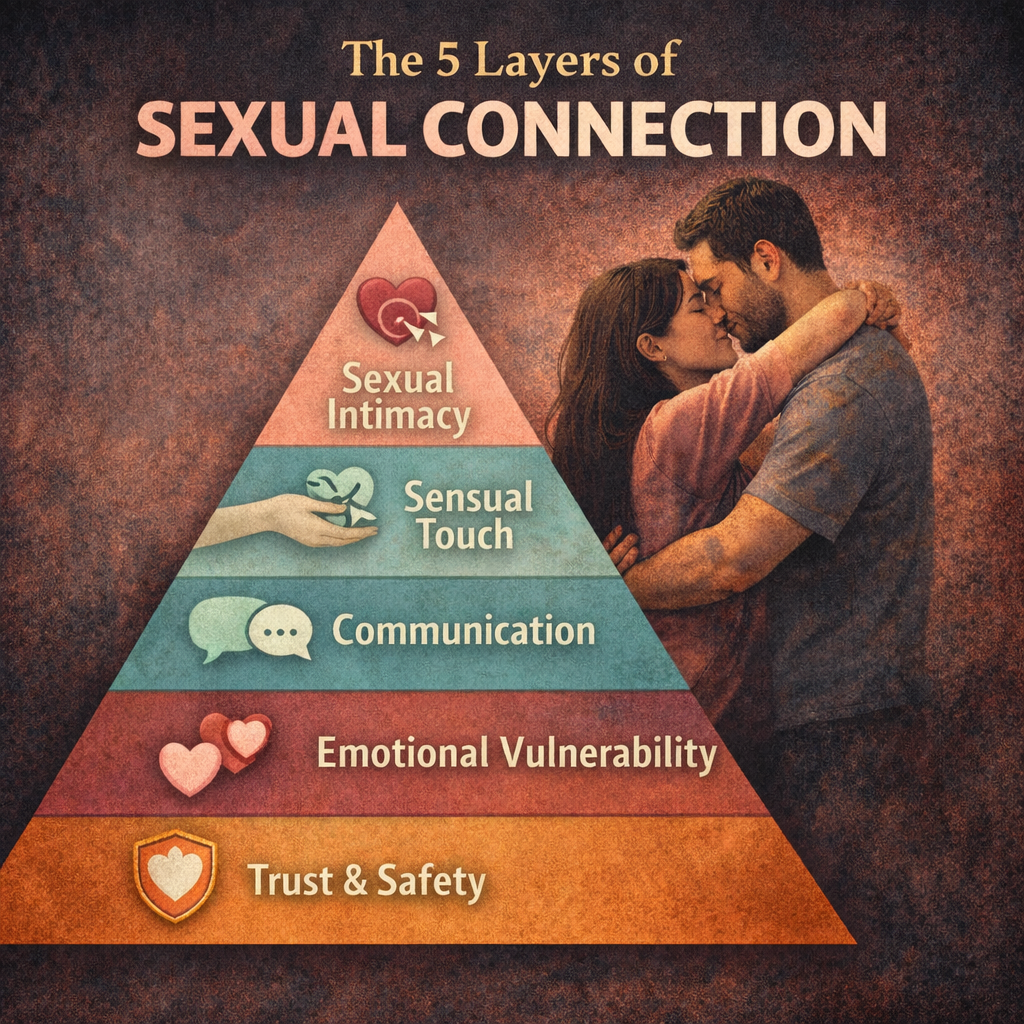
Here are 5 ways to improve intimacy:
1. Having a strong emotional connection.
Having a strong emotional connection helps build a foundation for a strong and satisfying sexual relationship. When couples feel emotionally disconnected, physical intimacy can become unfulfilling or even strained. These small habits can help rebuild this connection:
- Expressing appreciation regularly.
- Acknowledging small positive traits.
- Spending quality time together.
One thing that you can do is to make sure that you pick up a daily appreciation habit, not in writing but mentally, where you start to recognize something that you value about your partner each day. As time goes on, this will change your focus from frustration to a stronger connection and will make intimacy feel natural again.
2. Increasing emotional and sexual connections.
Knowing what increases or decreases sexual desire is one way to improve intimacy. Every person has their own turn-ons and turn-offs, which are influenced by both their internal thoughts and their external surroundings. These can include things like:
- External cues: Touch, environment, sensory experiences.
- Internal states: Stress, confidence, emotional safety.
One partner, for example, might feel more desire when dealing with stress as a form of release, while the other partner might shut down under stress. By knowing the difference, it allows the couples to work together on their sexual intimacy instead of against each other.
Being more aware helps partners create a shared experience of pleasure instead of feeling disconnected or misunderstood.
3. Environment shapes intimacy.
The space you’re in has a bigger role in intimacy than most people realize. In a place of discomfort, distractions, or a lack of privacy, it can interrupt the physical and emotional connection. By making small adjustments, you can make a big difference in your intimacy, such as:
- Making sure everything you need is easy to access.
- Making sure the space is inviting and comforting for both partners.
- Getting rid of interruptions such as noise, phones, or responsibilities.
When you create a space that is calm and intentional, it helps both partners to feel present and relax, which can increase intimacy naturally.
4. Creating a playful and erotic space.
Intimacy doesn’t always have to be serious, but it can be playful to help reduce the pressure and increase the enjoyment. This can include things like:
- Being curious.
- Trying different ways of touching.
- Exploring new ways to connect physically.
- Light teasing.
- Humor.
When intimacy stops feeling like a task or an expectation and becomes a shared experience, it becomes easier to enjoy.
5. Make a plan for intimacy.
Planning for intimacy might not sound like a romantic gesture, but it can actually increase the satisfaction in the anticipation period. Since life can get so busy, when you don’t set an intention, the connection can stop being a priority. Planning doesn’t mean that you’re forcing anything; it means that you’re creating a space for the connection.
Here are some examples:
- Put aside time to dedicate to each other.
- Focus on being close and not just sex.
- Allow flexibility based on how both partners feel at the moment.
Even if intimacy doesn’t happen each time, you do this, the act of putting the connection first helps strengthen the relationship and makes future intimacy feel more natural.
Final Thoughts: A New Way of Intimacy
Having a fulfilling sex life isn’t about how often you have sex or having perfect sex. It’s about how connected and satisfied both partners feel. When couples focus on having open communication, emotional closeness, mutual understanding, and shared experiences, intimacy can improve on its own.
The best kind of change is going from how often you have sex to how fulfilling it is. When intimacy feels good, both physically and emotionally, a desire will usually follow.
Frequently Asked Questions
1. What does sexual connection really mean in a relationship?
Sexual connection is more than physical intimacy alone. It includes emotional safety, attraction, trust, affection, communication, and the feeling that both partners are present, open, and responsive to each other. For many couples, sexual connection deepens when emotional closeness and physical closeness support one another.
2. Can sexual connection grow even in a long-term relationship?
Yes. Sexual connection can absolutely deepen over time when couples stay curious about each other, communicate honestly, and make intimacy an ongoing part of the relationship instead of something they assume will take care of itself.
3. Why does emotional intimacy matter for sexual connection?
Emotional intimacy often creates the safety that allows desire to grow. When partners feel understood, appreciated, and emotionally secure, they are often more open to physical closeness and more comfortable expressing their needs and desires.
4. How can communication improve sexual connection?
Open communication helps couples talk about what feels good, what creates distance, what they miss, and what they want more of. Honest conversations reduce guesswork and can make intimacy feel safer, more satisfying, and more connected for both partners.
5. Does physical touch outside the bedroom matter?
Yes. Small, affectionate moments like hugging, holding hands, cuddling, or kissing can strengthen closeness throughout the day. These forms of touch often help couples feel bonded and make sexual intimacy feel more natural instead of rushed or disconnected.
6. What are some everyday ways to deepen sexual connection?
Couples can deepen sexual connection through regular affection, quality time, playful flirting, honest conversations, appreciation, and staying emotionally available to each other. Often, the small daily habits matter just as much as what happens during sex itself.
7. Can stress affect sexual connection?
Yes. Stress, burnout, parenting demands, work pressure, and emotional overload can all reduce desire and make it harder for partners to feel present. Sometimes the issue is not a lack of love or attraction, but a lack of energy, focus, and emotional space.
8. How important is feeling safe with your partner?
Feeling safe is essential. Safety allows both partners to be vulnerable, express desire, set boundaries, and talk honestly without fear of judgment or rejection. Without emotional safety, sexual connection often becomes tense, guarded, or inconsistent.
9. Can scheduling intimacy help a couple reconnect?
Yes, it can. Scheduling time for closeness may sound unromantic at first, but it can help couples protect their connection from busy schedules, stress, and exhaustion. Making intimacy intentional often helps couples feel prioritized again.
10. What role does vulnerability play in sexual connection?
Vulnerability allows partners to share needs, insecurities, fantasies, preferences, and emotions more openly. That honesty can create a stronger sense of trust and closeness, which often leads to deeper and more meaningful physical intimacy.
11. Can couples improve sexual connection without focusing only on sex?
Yes. In many cases, sexual connection improves when couples work on the relationship as a whole. Emotional warmth, better communication, affection, appreciation, and reduced resentment often make sexual intimacy feel more natural and more fulfilling.
12. Why can desire fade even when two people still love each other?
Desire can fade because of routine, unresolved tension, stress, health changes, fatigue, or emotional disconnection. Love may still be present, but sexual energy often needs attention, playfulness, and intention to stay strong over time.
13. Can trying new things help deepen connection?
Yes. For some couples, novelty can help break routine and bring back excitement. This does not have to mean anything extreme. It can be as simple as changing the setting, having more open conversations, spending more uninterrupted time together, or exploring affection in new ways.
14. How does appreciation affect sexual connection?
Feeling valued can make a big difference. When partners notice each other, express gratitude, and show admiration, it often strengthens emotional closeness and helps each person feel more desired, confident, and connected.
15. Is sexual connection the same as sexual frequency?
No. Frequency and connection are not always the same. A couple may have frequent sex but still feel emotionally distant, while another couple may have less frequent sex and still feel deeply connected. The quality of intimacy and mutual responsiveness matter greatly.
16. What can couples do if one partner wants more intimacy than the other?
The first step is compassionate conversation. Instead of blaming each other, couples can explore the reasons behind the mismatch, talk about what each person needs, and look for ways to create more closeness that feel respectful and sustainable for both partners.
17. Can non-sexual affection rebuild sexual connection?
Yes. Non-sexual affection can lower pressure and rebuild comfort. Longer hugs, cuddling, gentle touch, affectionate words, and playful connection often help restore warmth and trust, which can support deeper sexual intimacy later on.
18. Should couples talk about desires and boundaries directly?
Yes. Healthy sexual connection depends on knowing what each partner enjoys, what feels uncomfortable, and what helps both people feel secure and excited. Clear, respectful conversations can improve both emotional trust and physical satisfaction.
19. When should a couple seek professional help for intimacy issues?
It may help to seek support when intimacy problems feel stuck, conversations keep turning into conflict, desire has disappeared for a long time, or one or both partners feel hurt, rejected, or hopeless. A qualified therapist can help couples explore the deeper patterns behind the issue.
20. What is the first step to deepening sexual connection as a couple?
The first step is slowing down and becoming intentional. Start by creating more emotional openness, more honest communication, and more affectionate everyday connection. Sexual closeness often deepens when both partners feel seen, safe, and wanted.